
Understanding Elbow Dysplasia In Pets

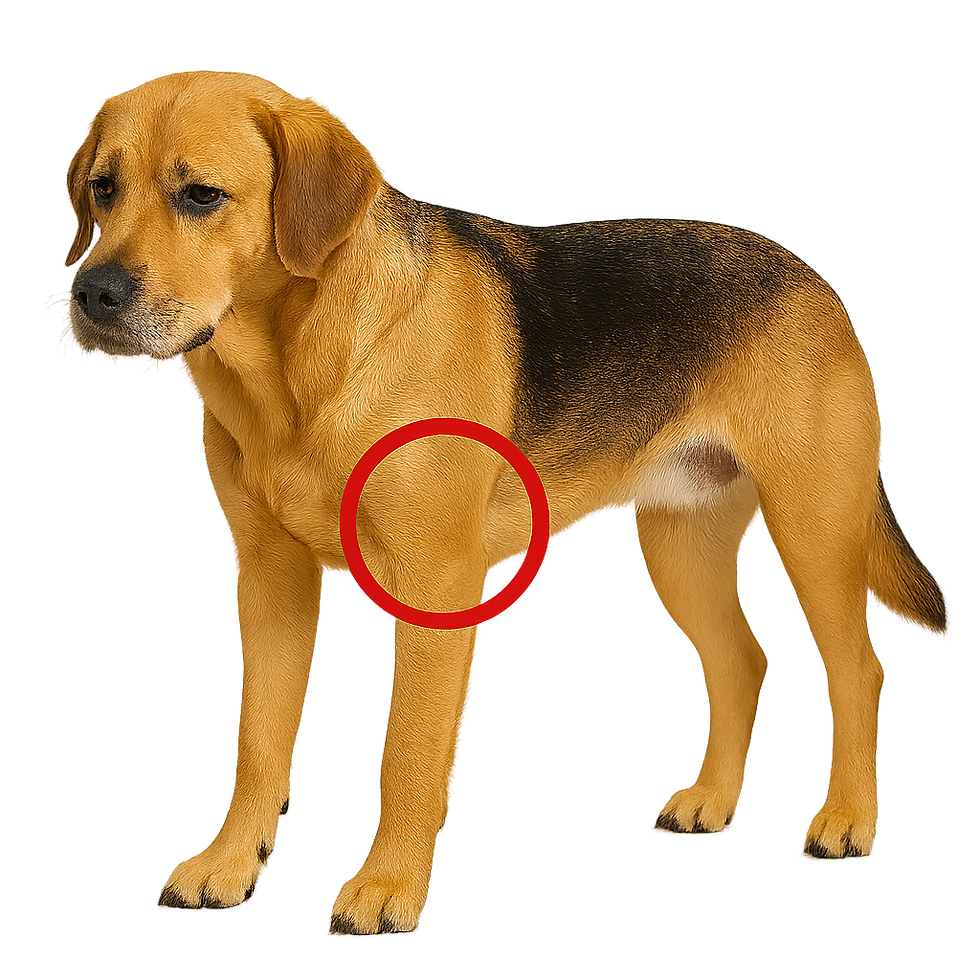
Elbow dysplasia (ED) is one of those conditions that sounds intimidating - but with the right knowledge and support, you - as a pet guardian - can make a world of difference in your furry friend’s comfort and mobility. As a veterinary physiotherapist, I've seen firsthand how early intervention and ongoing care can transform the lives of pets with ED. Let’s walk through what elbow dysplasia is, how to spot it, and how physiotherapy plays a vital role in managing it.
What Is Elbow Dysplasia?
Elbow dysplasia is a developmental condition affecting the elbow joint, most commonly seen in medium to large breed dogs. It occurs when the bones that make up the elbow don’t fit together perfectly, leading to joint instability, pain and eventually arthritis.
Think of the elbow as a beautifully engineered hinge. When that hinge is misaligned - even slightly - over time, it can cause friction, increased wear and discomfort.
Basic Elbow Anatomy

The elbow joint is formed by three bones:
Humerus (upper arm)
Radius and Ulna (forearm)
These bones should glide smoothly, cushioned by cartilage and supported by ligaments. In elbow dysplasia, one or more parts of this system don’t develop properly, leading to uneven pressure and damage to joint structures.
Types of Elbow Dysplasia
ED isn’t just one condition - it’s a group of related issues.
The most common types include:
Type | Description |
Fragmented Medial Coronoid Process (FMCP) | A small piece of bone (on the medial aspect of the Ulna) breaks off, causing pain and inflammation. |
Osteochondritis Dissecans (OCD) | A flap of cartilage separates from the bone surface, causing irritation, inflammation and pain. |
Ununited Anconeal Process (UAP) | A bony projection (the Anconeal Process of the Ulna) fails to fuse properly during development. |
Elbow Incongruity | The bones don’t align correctly, leading to uneven wear. |
What Causes Elbow Dysplasia?
ED is primarily genetic, meaning it’s inherited from one of your pet's parents. However, other factors can influence its onset and development:
Rapid growth in puppies
Overfeeding or improper nutrition
Excessive exercise during development
Trauma or injury
Breeds like Labradors, Golden Retrievers, Rottweilers and German Shepherds are particularly prone to developing elbow dysplasia - but any dog can be affected.
Common Symptoms to Watch Out For

Early signs of elbow dysplasia can be subtle. Keep an eye out for:
Limping or stiffness, especially after rest
Reluctance to play, jump or climb stairs
Swelling around the elbow
Clicking or popping sounds in the joint during movement
Favoring one leg or shifting weight
If you notice any of these signs, don’t wait to reach out to a veterinary professional - early diagnosis is key to managing ED effectively.
Managing Elbow Dysplasia
While surgery may be recommended in some cases, conservative management is often highly effective - especially when guided by a veterinary physiotherapist.
Here’s how we help:
Why Vet Physio Matters
Pets with elbow dysplasia often face a lifetime of challenges and compensatory dysfunction, but regular physiotherapy can greatly benefit these animals.
Here are some reasons why physio intervention is important:
Delay or avoid surgery
Drug-free pain management
Reducing pain and inflammation
Improving joint mobility
Supporting healthy posture and movement
Slowing progression of arthritis
Build correct muscles to support affected joints
Keep pets active and happy
Provide home management plans & tips
Enhancing your pet's quality of life

Physiotherapy isn’t just about rehab - it’s about comfort, prevention, education and partnership. We work closely with vets, surgeons and pet parents to create a care plan that’s realistic, compassionate and effective.
We don’t just treat the elbow - we treat your pet as a whole.
We’re here to walk the journey with you, every step (or stride) of the way.
Final Thoughts
Elbow dysplasia doesn’t have to mean the end of playtime or long walks. With early intervention, informed care, regular physio treatments and a supportive veterinary team, your pet can thrive.
If you suspect your pet may have ED or want to explore proactive joint care, reach out - we’re here to help both you and your pets.
Images in this blog post were generated using AI
© 2025 Holistic Strides Vet Physio. All Rights Reserved.


Comments